Autumn
“He really helps you figure out your own body and your own limits.”
1:07

For about three years after my back injury, I tried a lot of things and I was still at a loss. I think there’s a reason you feel the way you feel, and it doesn’t have to be complicated.
— Kevin
Book your intro call + posture assessment55 minutes, live on Zoom. I do the assessment myself.
Pain is a message. I’ll teach you to read yours and give you the tools to take charge of your body, so you can feel free in it again, without needing me.
I’ve always been a curious person, and I need the why. I do my best to help you understand why you’re feeling the way you’re feeling.
It’s a lot of conversation, and it’s a lot of unlearning. Let’s keep it methodical.
Then we bring it into your life: your walking, your training, the things you’d like to get back to.
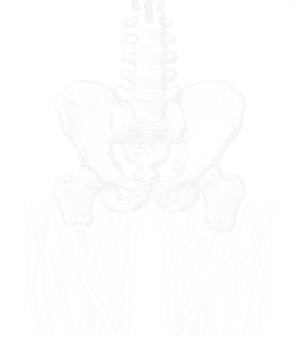
Pain doesn’t always originate where you feel it. I think pain is a powerful messenger, and the body is always doing the best that it can.
BodyParts3D © DBCLS, CC BY 4.0
I find the spot that hurts is often overworking for other areas of the body that aren’t working. For me, my back was having to do the work my hips weren’t doing, so of course I was hurting.
A lot of times, we need to give the tissues that have been doing too much work a chance to take a break, before we remind the body there’s a better, more efficient way to move.
Education, not medical advice. If something feels wrong, check with your doctor first.
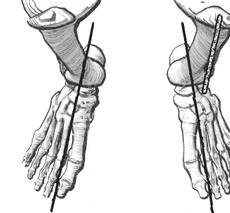
On the intro call, I show you photographs of yourself. I explain what we’re looking at, and I ask you some questions to reflect on it. That’s often when I watch the light bulb go off in people’s heads, like, “Of course.” They can see why they might feel the way they feel. When we start working together, we go through your photos in detail.
It happened to me too. In 2020, the guy who ended up becoming my mentor took a few photos of me. It was the most validating experience I’d had in all those years. I was like, “No wonder I’m in so much pain. Look at how I’m standing. Look how much weight is on my right foot.” It was like a light bulb went off.

In September 2017, I was teaching a fitness class when I felt a horribly familiar feeling. My back seized up right after I tried to pick up a 5 lb weight. Then I went out to my car, and my disc ruptured. My legs didn’t work at all.
If your legs suddenly go weak or numb, or your bladder or bowels change, that’s an emergency. Go to the ER.
For years, I just really didn’t understand why my body was doing the things it was doing. Then in June 2020, I saw a drawing of a skeleton on Instagram. It looked like me. It looked like how I felt. My back was the symptom of the problem. It was overworking for other areas of my body that weren’t working.
Read my storyFor the last four years, I’ve skied about 30 days a year, and I can crash and feel secure that my body will hold up. I’ve driven 16 hours without stopping. From 2017 to 2020, driving was pure agony.
I can sneeze without bracing. I know it sounds silly, but it’s little things like that I just don’t even think about anymore.
Do I still have occasional pain? Yeah. I had a massive injury, and it’s probably going to take as many years to heal as it took to develop. When pain shows up, I can confront it with compassion. I can be really gentle with it, and I know I have the tools to deal with it instead of spiraling into stories about what it might mean.
That’s my body, on my timeline. Everybody’s body is gonna be unique to them.
“I hope one day you won’t need me, and you’ll have the tools in your toolbox to take with you wherever you go. That’s the beautiful thing.”
— Kevin
“He really helps you figure out your own body and your own limits.”
1:07
“I have the tools and the confidence and the motivation to keep working on this.”
2:01
“Today, I can do yoga again.”
3:28
“I feel like I've just learned so much about how my body works.”
2:09
“I've never been that consistently fast, healthy, and strong.”
0:29
“It is a massive difference.”
0:32
“Little by little, I could start doing more things.”
1:48
“I highly recommend you do it, you stick to it, you be disciplined with it.”
2:29
These are real clients describing their own experience. Bodies differ, and results do too.
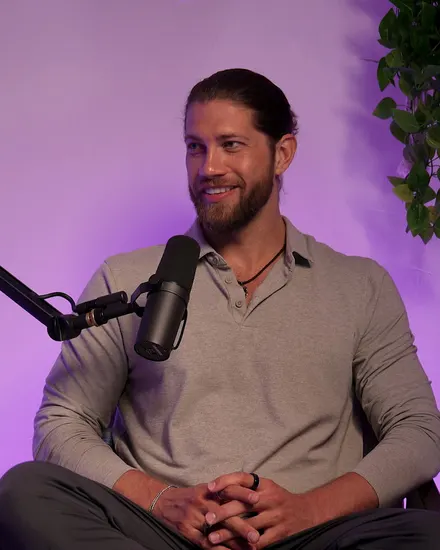
Kevin Cox, coach
I’m a movement coach with a kinesiology degree. I’m not a doctor or a physical therapist, and I don’t diagnose or treat medical conditions. What I do is assess how your body is moving and standing, explain what I see, and coach you through positions and exercises. If anything I see or hear needs a medical opinion, I’ll tell you, and that comes first.
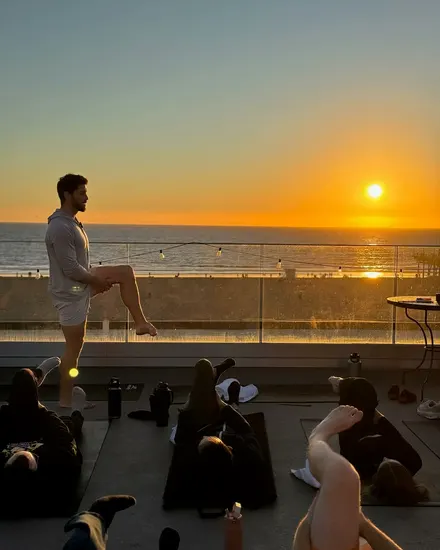
When you’re ready, I’d love to hear your story. It’s 55 minutes on Zoom with me.
Book your intro call + posture assessment55 minutes, live on Zoom. I do the assessment myself.
If you have new weakness or numbness in both legs, numbness around your groin or inner thighs, or new trouble controlling your bladder or bowels, that’s an emergency. Go to the ER or call 911 now.
See the full list before you bookA library of the positions I use, one at a time.
Costs nothing. Your couch.